
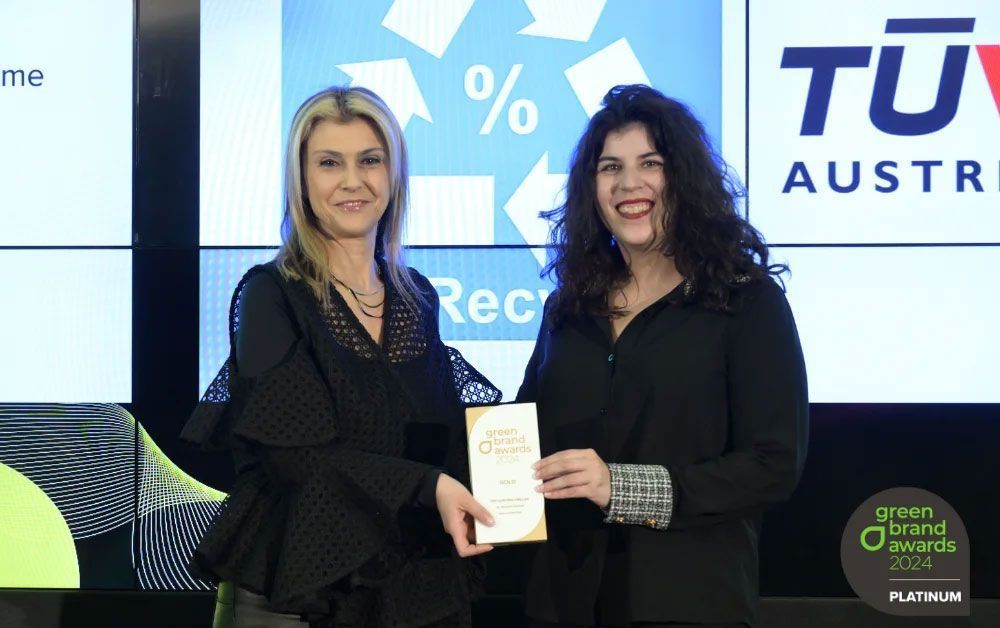
TÜV AUSTRIA Hellas celebrates a double victory and receives two awards at the Green Brand Awards 2024 in the categories “Green Certification” and “Green & Circular Economy” for the certification system OK recycled. This double award is an important recognition of the Austrian group of companies´ commitment to supporting companies with a growing range of sustainability solutions.
The Green Brand Awards recognise products, services and development processes that promote a sustainable lifestyle and green economy. This annual awards ceremony was held on Thursday, 21 March 2024, at the Sofitel Athens Airport Hotel.
The OK recycled certification system is an important tool for promoting the circular economy. Based on the mass balance, the OK recycled certification determines the amount of recycled material used in accordance with EU Directive 2019/904 on recycled plastics. OK recycled independently confirms the sustainability promise of the producers, a significant contribution in the fight against greenwashing.
With the primary aim of promoting responsible entrepreneurship in Greece, TÜV AUSTRIA Hellas – which has over 30 years of experience and international expertise – has developed a holistic system of green services. This system helps companies to review and optimise their actual environmental impact.
Maria Agapitou, Quality Systems & Product Certification Manager of TÜV AUSTRIA Hellas, said: “It is an honour for us to receive two Green Brand awards, which confirm our commitment to the sustainable development of our clients. Through continuous research, based on international standards and the real needs of business and society, we create services that promote sustainability and responsible entrepreneurship.”
Menelaos Kokkinos, Regional Product Manager Europe Sustainability & Water related engineering at TÜV AUSTRIA Group adds: “The OK recycled certification system responds to consumer demand for more transparency in green claims regarding recycled content. The two Green Brand awards are a great recognition of TÜV AUSTRIA’s efforts and commitment to shaping our future sustainably.”
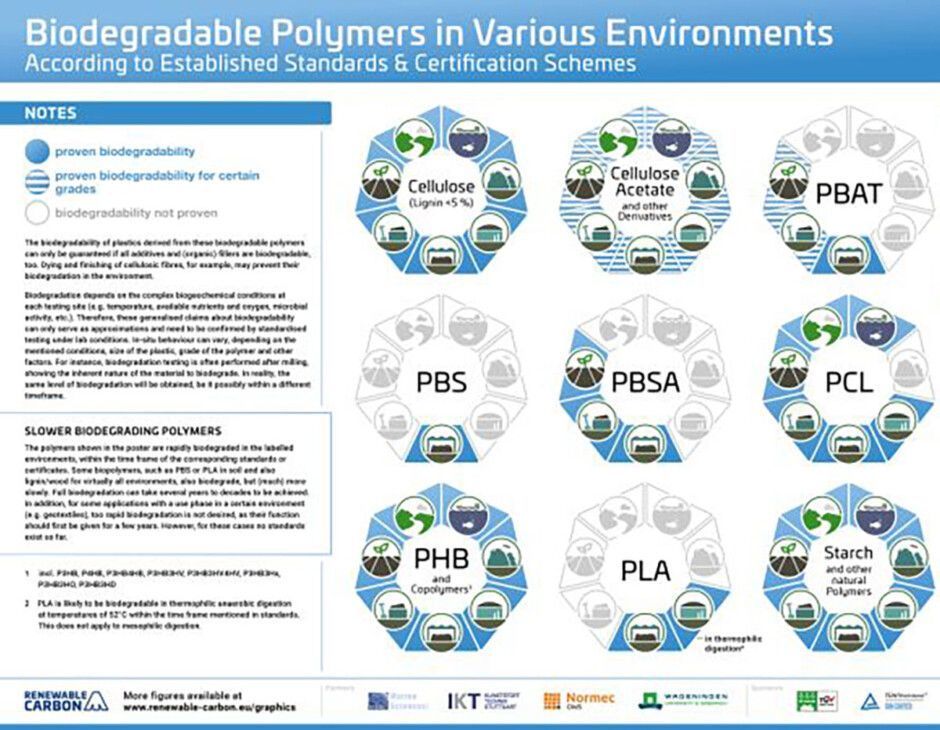
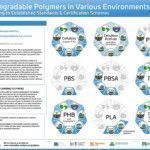
Poster published by the nova-Institut GmbH
Biodegradable Polymers in Various Environments
Collaboration of TÜV AUSTRIA Belgium
For the 3rd time, TÜV AUSTRIA Belgium collaborated in updating the “Biodegradable Polymers in Various Environments” poster, published by the nova-Institut GmbH, which lists the 9 most common biodegradable polymers and their 7 potential end of life environments.
TÜV AUSTRIA acquires ISARail SpA
TUV AUSTRIA enters the
rail certification sector
ISARail SpA has been operating since 2000 as a private and independent body for safety-related issues and conformity assessments for railroad systems.
Italian training expert BRAINFORM
joins TÜV AUSTRIA Group
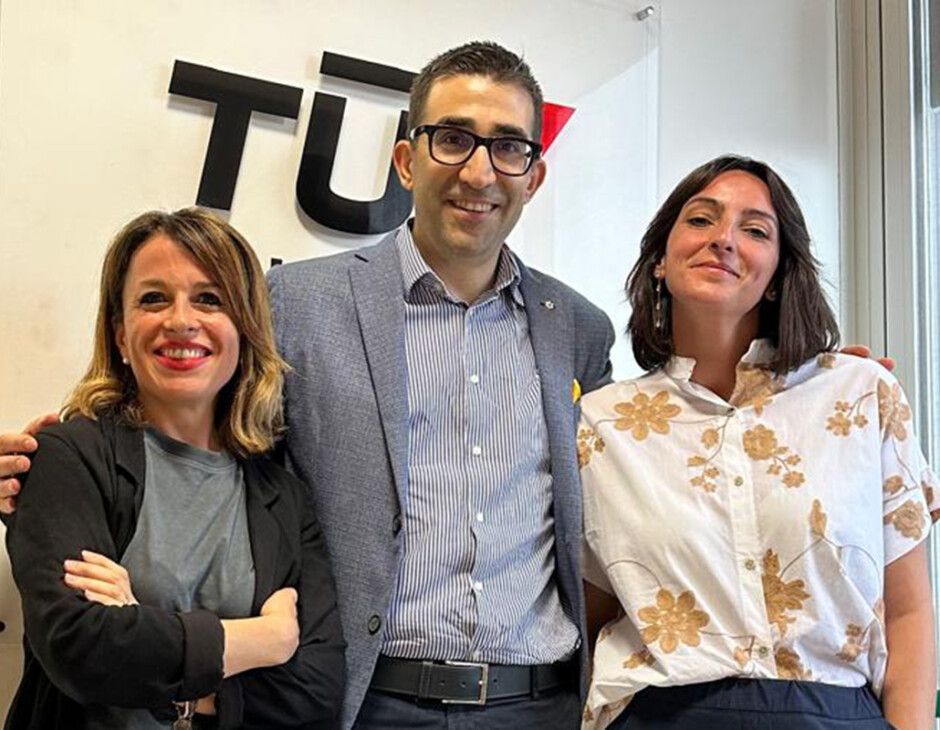
TÜV AUSTRIA Italia is pleased to announce a prestigious acquisition in the field of professional training: BRAINFORM Srl is now a fully-owned member of TÜV AUSTRIA Group.
EU AI Act is in force
TÜV AUSTRIA present AI position paper
TÜV AUSTRIA expressly welcomes the EU AI Act as a sensible regulatory instrument. Care must be taken to ensure that so-called low-profile certifications, which are issued exclusively on the basis paper-based tests, do not appear to be suitable for high-risk AI applications – an assessment must also include the function and performance of the system.
METALogic officially becomes
TÜV AUSTRIA Belgium
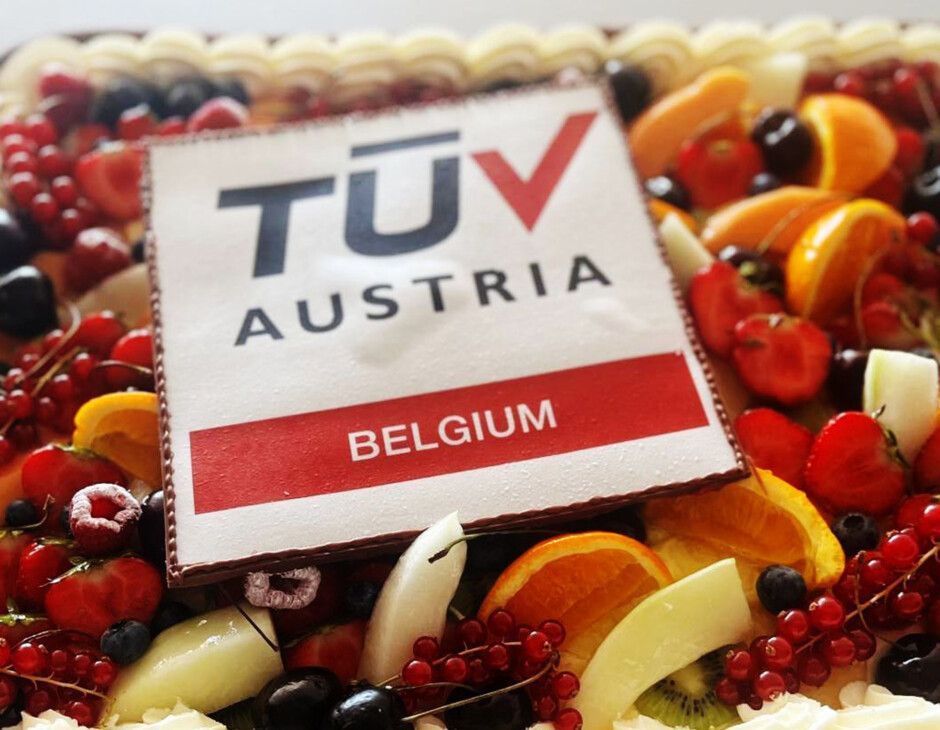
We are excited to announce that METALogic will officially become TÜV AUSTRIA Belgium by August 1, 2024. This merger represents a significant milestone, bringing together two industry leaders to deliver technical expertise and comprehensive services in the asset integrity domain.
Preparations for 100 % hydrogen:
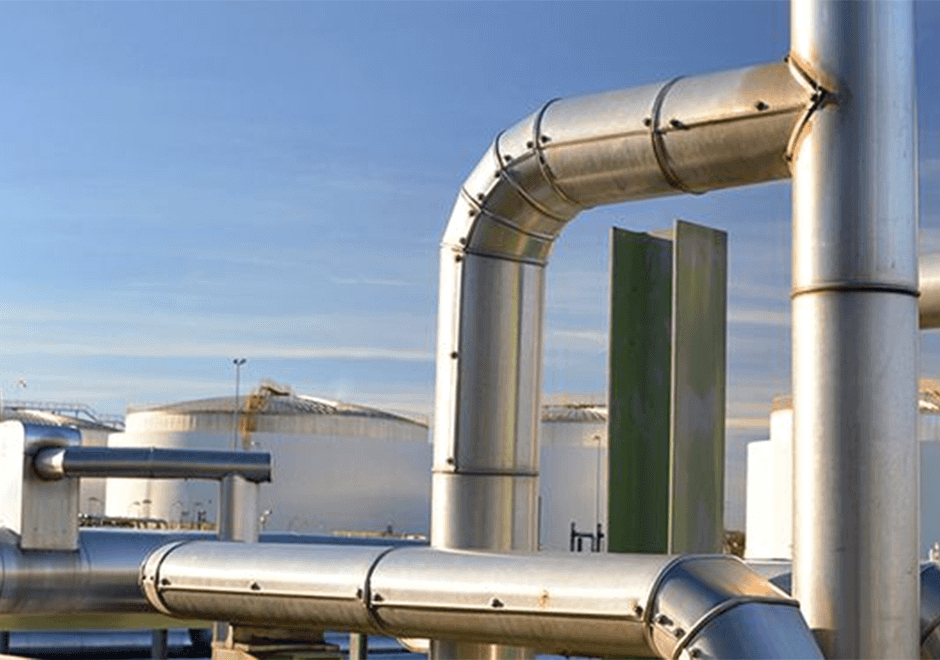
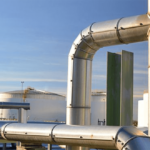
TÜV AUSTRIA evaluates existing gas pipeline








 Check certificate
 I am looking for a solution but do not know its title.